
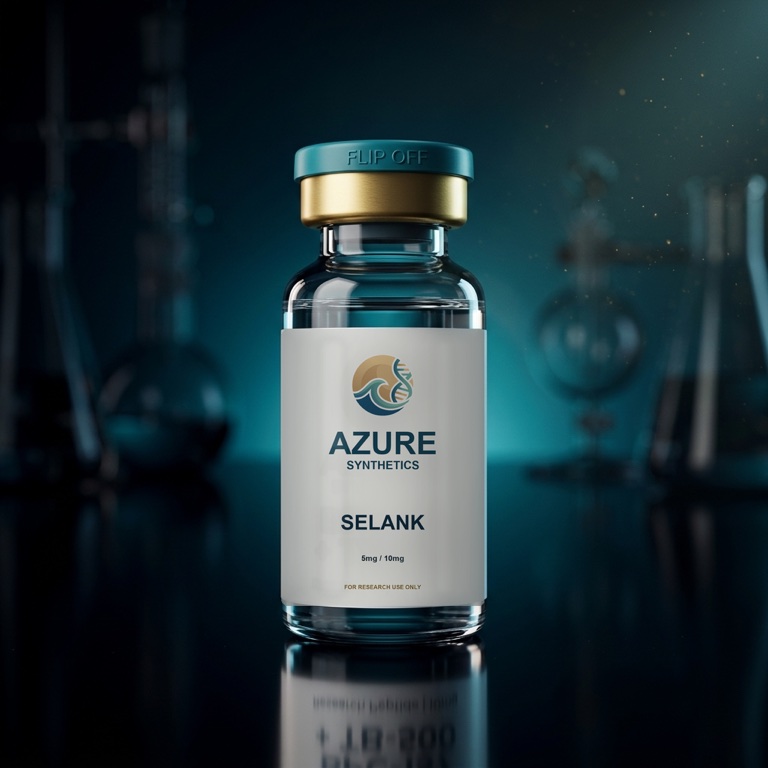
Neuro-signaling research
Selank
Lyophilized neuro-signaling research peptide
Selank is a tuftsin analog research peptide discussed in anxiety-model, immune-neuroendocrine, stress-response, and neurotransmission literature.
Support can confirm any currently available COAs or batch documentation for this product.
Request available documentsConfirm an optional email signup to receive a single-use 10% welcome code.
Get catalog updatesSomente para uso em pesquisa laboratorial. Não é para uso humano ou veterinário. Não se destina a diagnosticar, tratar, curar, mitigar ou prevenir doenças.
Mantenha selado, frio, seco e protegido de oscilações de calor. Confirme o armazenamento específico do produto na chegada.
Embalado para estabilidade de trânsito com suporte para pedidos disponível para rotas em clima quente.
Batch-linked certificate support is available through the documentation desk.
Contexto de pesquisa
Perfil de pesquisa de Selank
Selank is a synthetic analog of the immunomodulatory peptide tuftsin. Experimental literature examines stress-response and behavioral models, GABAergic signaling hypotheses, gene expression, immune-neuroendocrine interaction, and selected neurotransmitter pathways. It is commonly compared with Semax, but the two compounds come from different parent sequences and should not be treated as interchangeable neuropeptides. Selank is most relevant to projects that specifically investigate tuftsin-derived signaling or the overlap between neural and immune responses. The evidence base includes preclinical work and limited regional human studies, so conclusions should remain tied to the original methods rather than translated into broad claims about anxiety, cognition, or personal use.
Molecular class
Seven-residue tuftsin analog
Sequence / composition
- T
- K
- P
- R
- P
- G
- P
Defined amino-acid chain, shown in standard one-letter notation.
Research design note
Its tuftsin lineage supports comparison with neuroimmune and stress-response systems rather than ACTH-derived peptides.
Mecanismo proposto
A synthetic analog of the tuftsin sequence. Proposed mechanisms include modulation of GABAergic signaling and receptor expression, effects on monoamine systems, immune-neuroendocrine communication, inflammatory mediators, and transcriptional responses to stress.
Efeitos relatados em estudos
- Animal studies report anxiolytic-like behavioral effects, changes in stress responses, and altered neurotransmitter or gene-expression markers.
- Preclinical work reports immune and inflammatory modulation consistent with its tuftsin-derived lineage.
- Human findings are limited and regionally concentrated, with insufficient independent evidence for broad clinical claims.
Desfechos comuns de pesquisa
GABA receptor and neurotransmitter markers, anxiety-related behavioral tests, stress hormones, cytokines, immune-cell measures, gene expression, cognition tasks, and pharmacokinetics.
Evidências e limitações
Evidence is mainly preclinical with limited human studies. A defined primary receptor and broadly replicated human outcomes have not been established.
External reading
Literature for context—not product proof.
Third-party sources describe their own research materials and methods. They do not validate a specific Azure catalog batch.
Support and documentation
Questions about this product?
Where can I find product documentation?
Contact support with the product name and any relevant order or batch reference to request available documents.
How can I compare pack options?
Where multiple pack sizes are available, Azure shows the price per listed vial so you can compare catalog value directly.
Keep comparing
Compare other catalog records.
Explore related research materials. These are not a combined-use recommendation.
-
Neuro-signaling
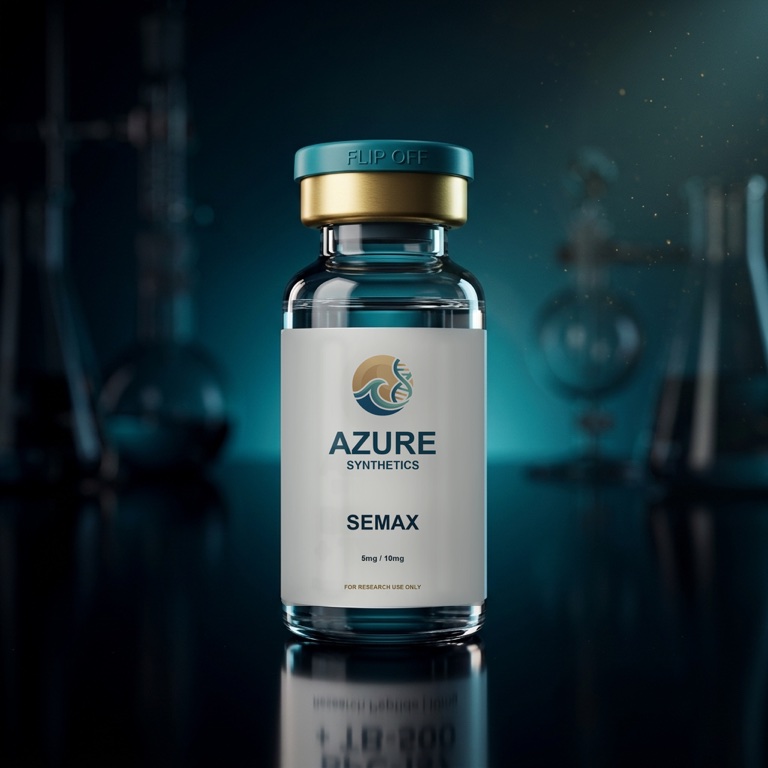
Semax
Semax is an ACTH-fragment research peptide discussed in neurotrophic, stress-response, and central nervous system literature.
- Forma
- Pó liofilizado
- Quantidade
- 5 mg
Faixa de preço: 29.99 $ através 191.99 $ Ver opções Este produto tem várias variantes. As opções podem ser escolhidas na página do produto